What Is Biscotti? Meaning, History, Flavors & How to Enjoy It
Biscotti are crisp, twice-baked Italian cookies made for coffee, tea, dessert wine, and slow little moments that feel better than they should.
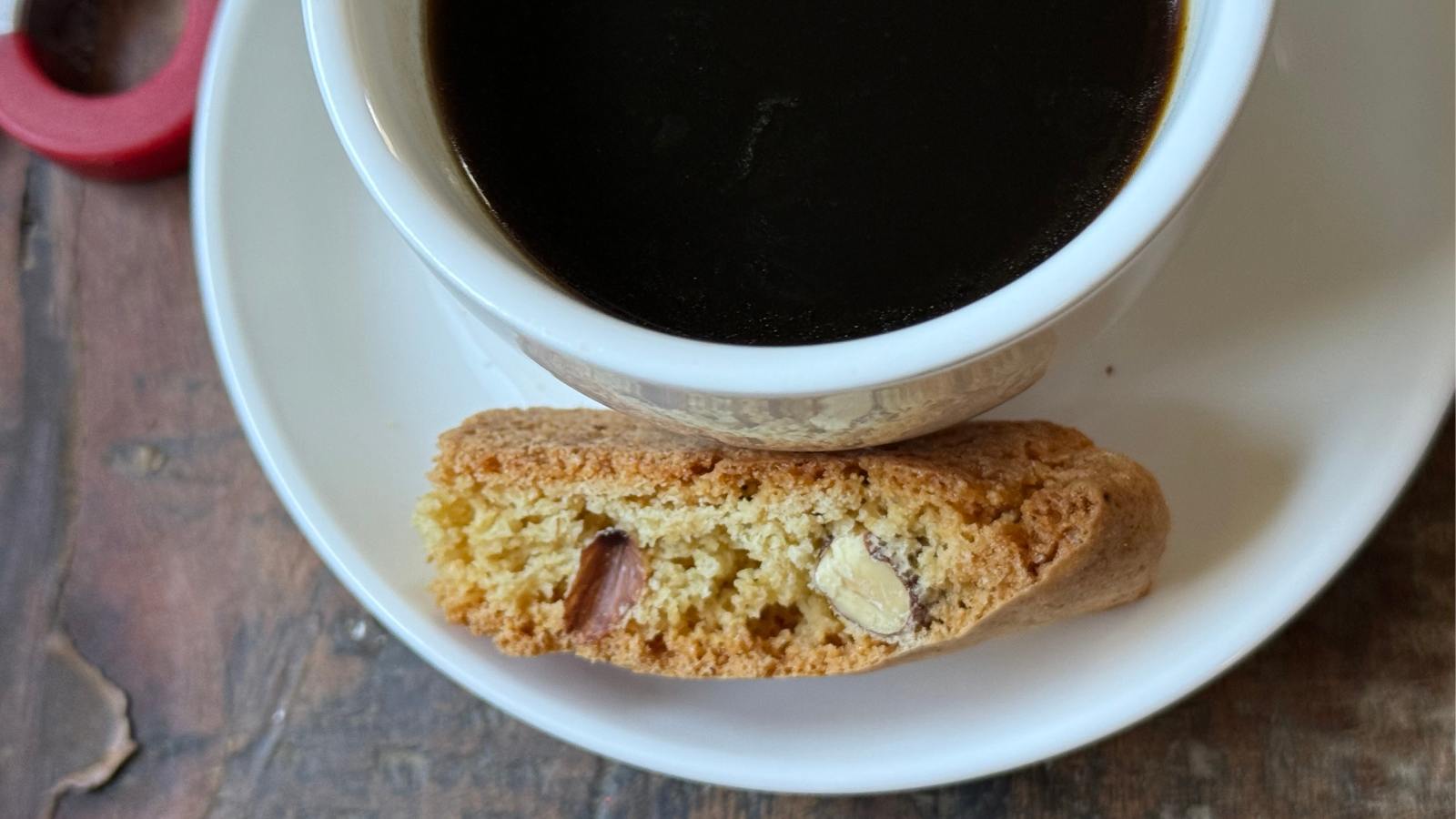
The simplest answer is this: biscotti are Italian cookies that are baked twice. The first bake sets the dough. The second bake gives biscotti their crisp snap, long shelf life, and classic dunk-friendly texture.
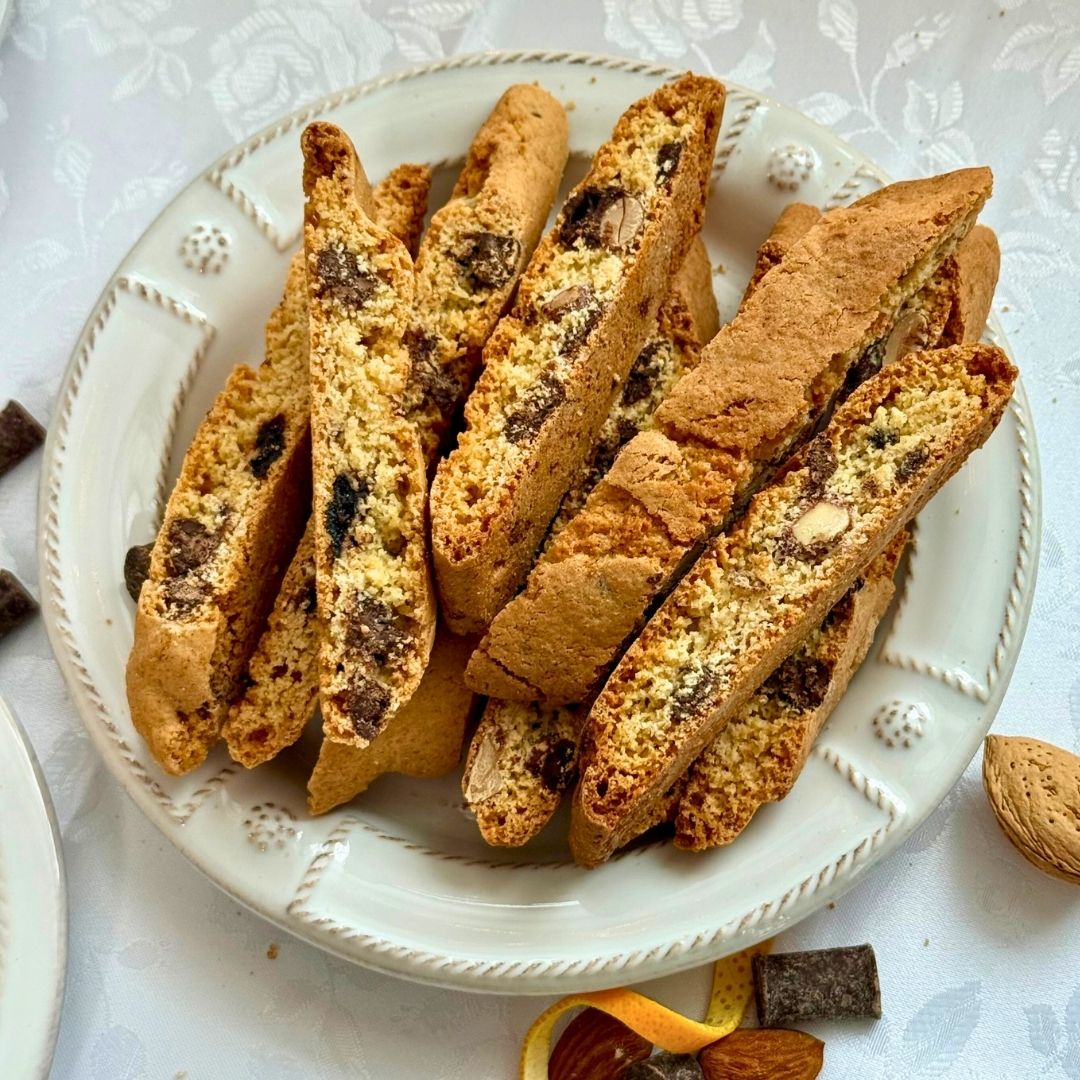
But great biscotti is more than a hard cookie. It should have flavor, balance, texture, and a little romance. You should taste toasted nuts, real chocolate, dried fruit, citrus, spice, or whatever the flavor promises. A good biscotto should be crisp, not stale. Firm, not tooth-breaking. Sweet, but not flat.
At The Biscotti Company, we bake biscotti in small batches on Long Island using a Sicilian family recipe, then ship nationwide to customers who want the real thing without settling for supermarket biscotti.
Biscotti Meaning
The word biscotti comes from old Latin roots that mean twice cooked. That is the heart of the cookie. Biscotti dough is baked once, cut, then baked again so each piece becomes crisp and sturdy enough to enjoy with coffee, espresso, tea, or dessert wine.
A quick language note: biscotti is plural. One piece is called a biscotto. In everyday American conversation, most people use “biscotti” for one or many, and everyone knows what they mean.
Biscotti means twice-baked. That second bake is what creates the clean snap, the dunk-friendly texture, and the long-lasting freshness people expect from classic Italian biscotti.
Biscotti History: Where Biscotti Comes From
Biscotti has deep roots in Italian baking. Long before modern packaging, twice-baked foods were practical because they lasted longer and traveled well. In Tuscany, almond cantucci became one of the best-known forms of biscotti, often served with vin santo after a meal.
As Italian families brought their recipes to North America, biscotti changed in a good way. The method stayed the same, but the flavors expanded. Almond remained classic, but bakers also started using pistachios, cranberries, chocolate chunks, orange zest, espresso, anise, and seasonal spices.
For us, biscotti is personal. I learned to bake from my Sicilian grandmother. She believed the details mattered. Whole nuts. Real flavor. A proper second bake. Nothing rushed. That same spirit is still behind every batch we make today.
One customer told us her 100% Italian husband always said his mother’s biscotti recipe was the best, until he tried ours. That is the kind of compliment you remember.
How Biscotti Is Made
Biscotti gets its texture from a simple but important process. It is not made like a regular cookie. The dough is shaped into loaves, baked once, cut into individual biscotti, then baked again.
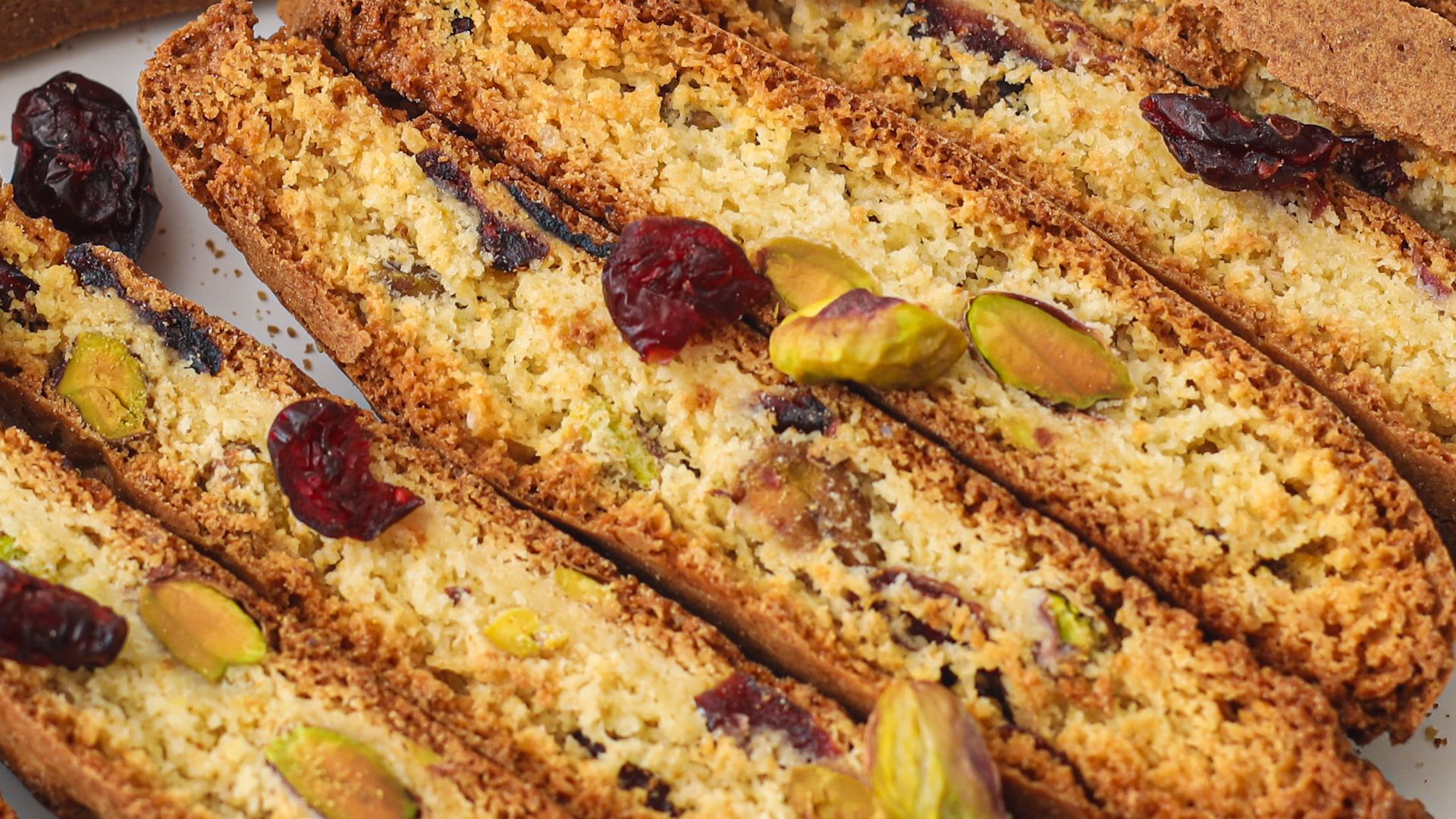
Too little second bake and biscotti can turn soft. Too much and it loses flavor and becomes dry. Great biscotti lives in the middle. For a closer look at how to get that balance right, read our guide to biscotti baking tips.
What Makes Great Biscotti?
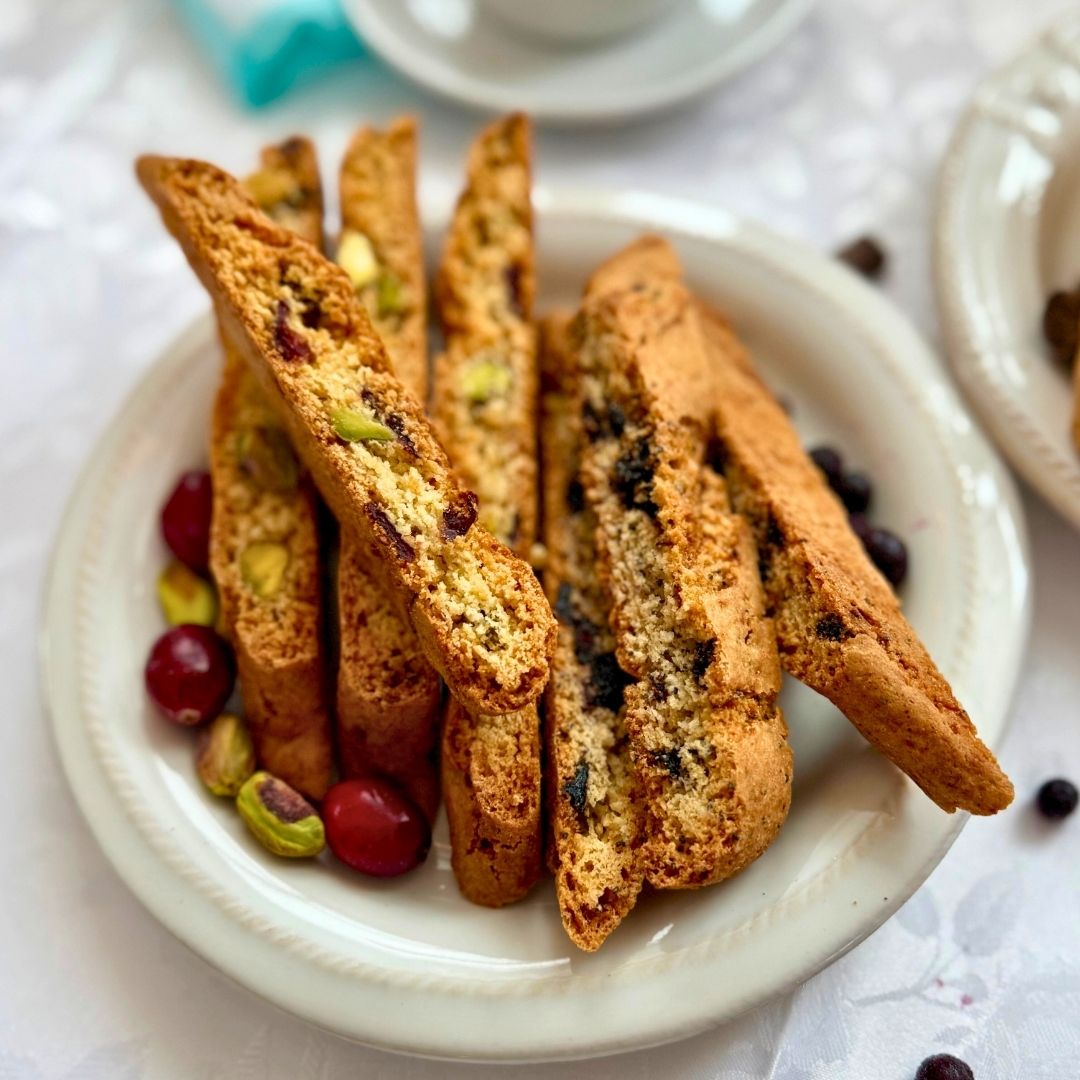
Great biscotti is easy to spot once you know what to look for. You should see the ingredients. You should smell the nuts, citrus, chocolate, fruit, or spice before the first bite. The texture should feel crisp and clean, not greasy, stale, or oddly cakey.
Great biscotti usually has
- Visible nuts, fruit, chocolate, or spice.
- A crisp snap that does not feel stale.
- Balanced sweetness.
- Clean flavor from real ingredients.
- A texture that works with coffee or tea.
Weak biscotti usually has
- Flat sweetness with little flavor.
- No visible proof of the flavor.
- A dry, harsh, or overly hard texture.
- Waxy chocolate or dull fruit.
- A stale finish that lingers too long.
This is where small-batch baking matters. Biscotti should not taste like it came off a shelf six months ago. It should taste like someone cared about the dough, the bake, the texture, and the finish.
Start with Almond Biscotti if you want classic, Cranberry Pistachio Biscotti if you want our bestseller, or The Chocolate Lovers Four Pack if you want a giftable chocolate bundle.
Biscotti vs Cantucci vs Mandelbrot
These cookies are related, but they are not always the same thing.
| Name | What it usually means | Texture | Classic pairing |
|---|---|---|---|
| Biscotti | Italian-style twice-baked cookies in many flavors. | Crisp and dunk-friendly. | Coffee, tea, espresso, dessert wine. |
| Cantucci or Cantuccini | Traditional Tuscan almond biscotti. | Very crunchy and almond-forward. | Vin santo. |
| Mandelbrot | A Jewish twice-baked cookie and close cousin to biscotti. | Often a little softer. | Tea or coffee. |
Popular Biscotti Flavors
Once you understand the base cookie, the fun part is choosing the right flavor. Some people want classic almond. Some want fruit and nuts. Some want deep chocolate. Some want something bright with tea.
In The Biscotti Company’s voluntary 200-response community survey, Fruit & Nut (37%), Traditional (32%), and Chocolate (23%) accounted for 92% of first-choice flavor paths. See The 2026 Biscotti Report, findings, and methodology.
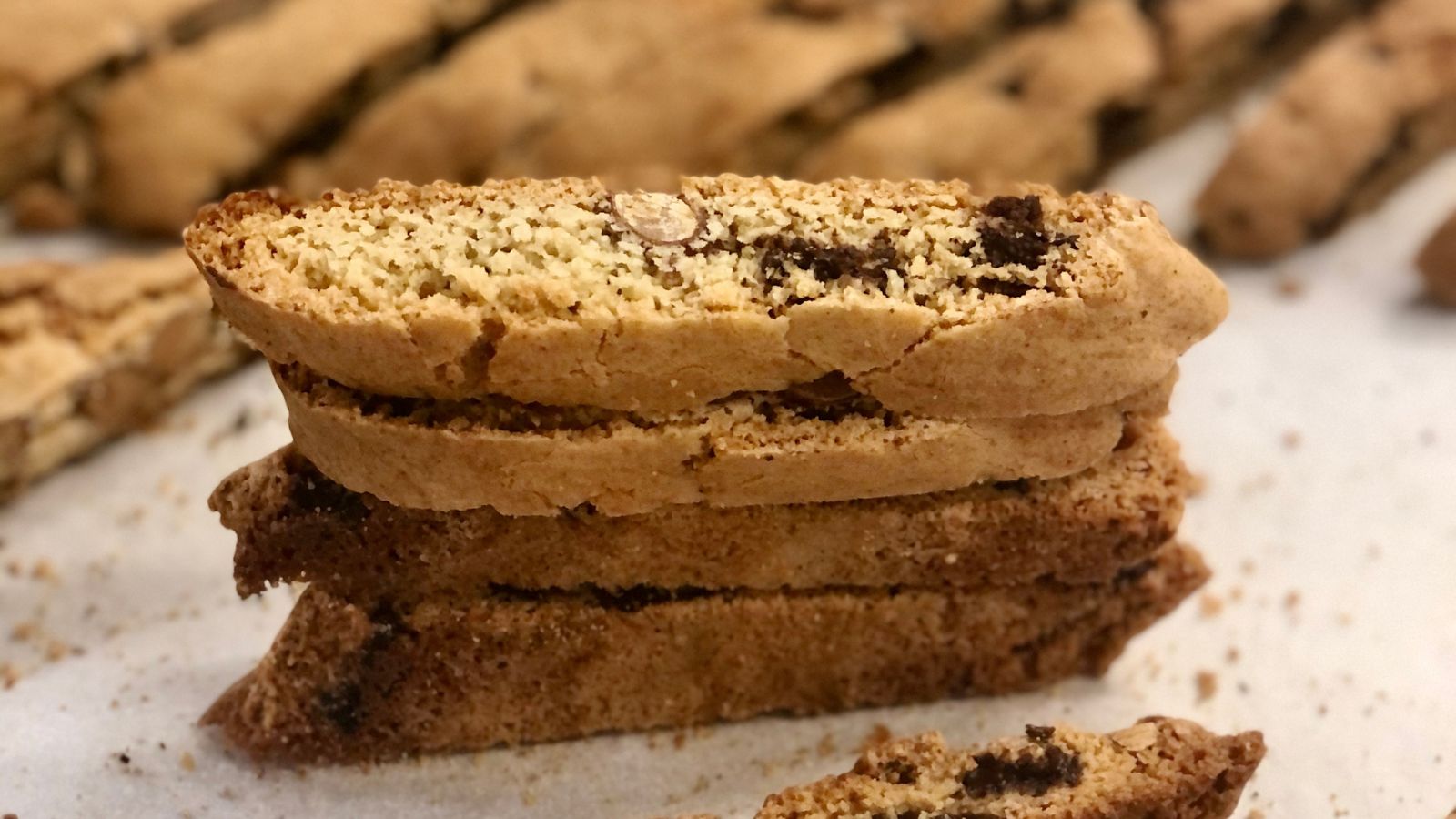
| Flavor | Tastes like | Best with | Good for |
|---|---|---|---|
| Almond Biscotti | Toasted almond, classic Italian flavor, clean finish. | Espresso or morning coffee. | First-time biscotti buyers and traditionalists. |
| Cranberry Pistachio Biscotti | Tart cranberry, pistachio crunch, and a light citrus note. | Tea, coffee, or dessert wine. | Gifting, holidays, and customer favorites. |
| Chocolate Almond Biscotti | Real chocolate chunks with roasted almonds. | Cappuccino or drip coffee. | Classic biscotti lovers who also want chocolate. |
| Double Chocolate Biscotti | Deep cocoa flavor with rich chocolate pieces. | After-dinner coffee. | Chocolate lovers and dessert tables. |
| Dark Chocolate & Orange Almond Biscotti | Orange aroma, dark chocolate, toasted almond warmth. | Espresso or strong tea. | People who like bold flavor. |
| Chocolate Hazelnut Espresso Biscotti | Chocolate, roasted hazelnut, and espresso depth. | Dark roast coffee or cappuccino. | Coffee lovers. |
Explore Our Flavor Guides
Each flavor has its own story. These guides cover the ingredients, tasting notes, coffee pairings, and where to buy or bake each variety.
Almond Biscotti Guide
The classic. Toasted whole almonds, clean Italian flavor, and the recipe that started it all.
Double Chocolate Biscotti Guide
Deep cocoa dough loaded with real chocolate pieces. Everything you need to know about our richest flavor.
Chocolate Almond Biscotti Guide
Belgian semisweet chocolate chunks with whole roasted almonds in every piece.
Cranberry Pistachio Biscotti Guide
Tart cranberry, pistachio crunch, and a natural orange note. Our most-gifted flavor, fully explained.
Chocolate Hazelnut Biscotti Guide
Belgian semisweet chocolate, roasted hazelnut, and a coffee extract finish. The Nutella-adjacent one.
Cherry Chocolate Biscotti Guide
Real dried cherries and Belgian chocolate in a dairy-free small-batch biscotto.
Dark Chocolate Orange Almond Guide
60% Callebaut dark chocolate, orange zest, and toasted almond. Bold, aromatic, and worth exploring.
Gluten-Free Biscotti Guide
Everything about our gluten-free lineup: ingredients, allergen notes, and which flavors are available.
Different Kinds of Biscotti
Traditional Italian biscotti
Usually almond-forward, crisp, simple, and made for espresso or dessert wine.
Modern biscotti
Keeps the twice-baked method but adds flavors like chocolate, cranberry, pistachio, citrus, espresso, and caramel.
Biscottini
Smaller bite-size biscotti with the same crisp texture, great for sharing, gifting, offices, and coffee breaks.
Gluten-free biscotti
Our gluten-free biscotti are made for flavor first, using a gluten-free recipe that still gives you the crisp snap people expect from biscotti. They are made in a shared facility and are not recommended for customers with celiac disease.
For more detail on gluten-free options, visit our gluten-free biscotti guide. If you want to bake at home, see our gluten-free biscotti recipe.
How to Eat Biscotti
Biscotti does not need much. That is part of the charm. It turns coffee, tea, dessert wine, yogurt, or ice cream into a small ritual.
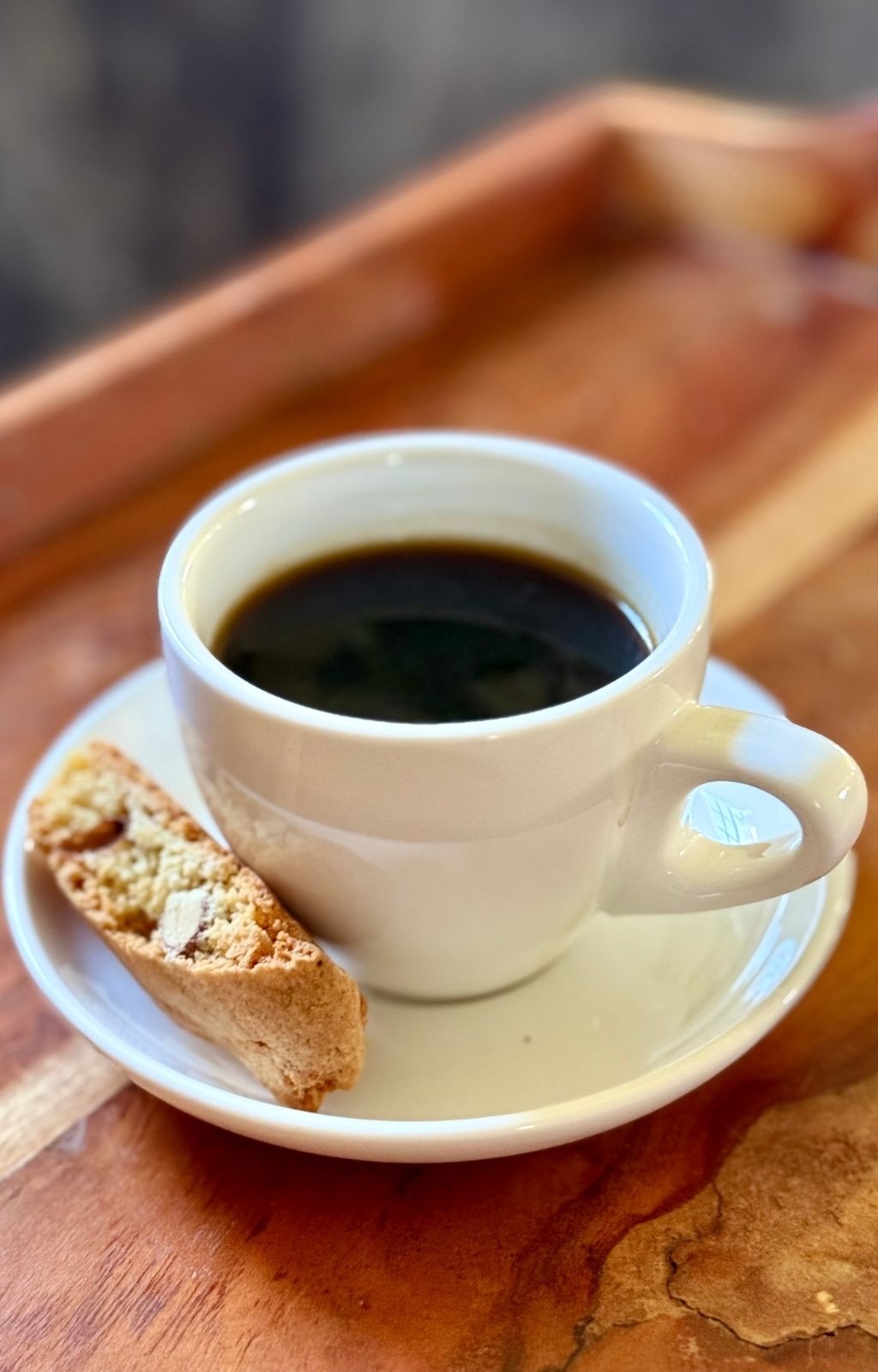
With coffee
Almond, Chocolate Almond, Double Chocolate, and Chocolate Hazelnut Espresso are natural coffee pairings.
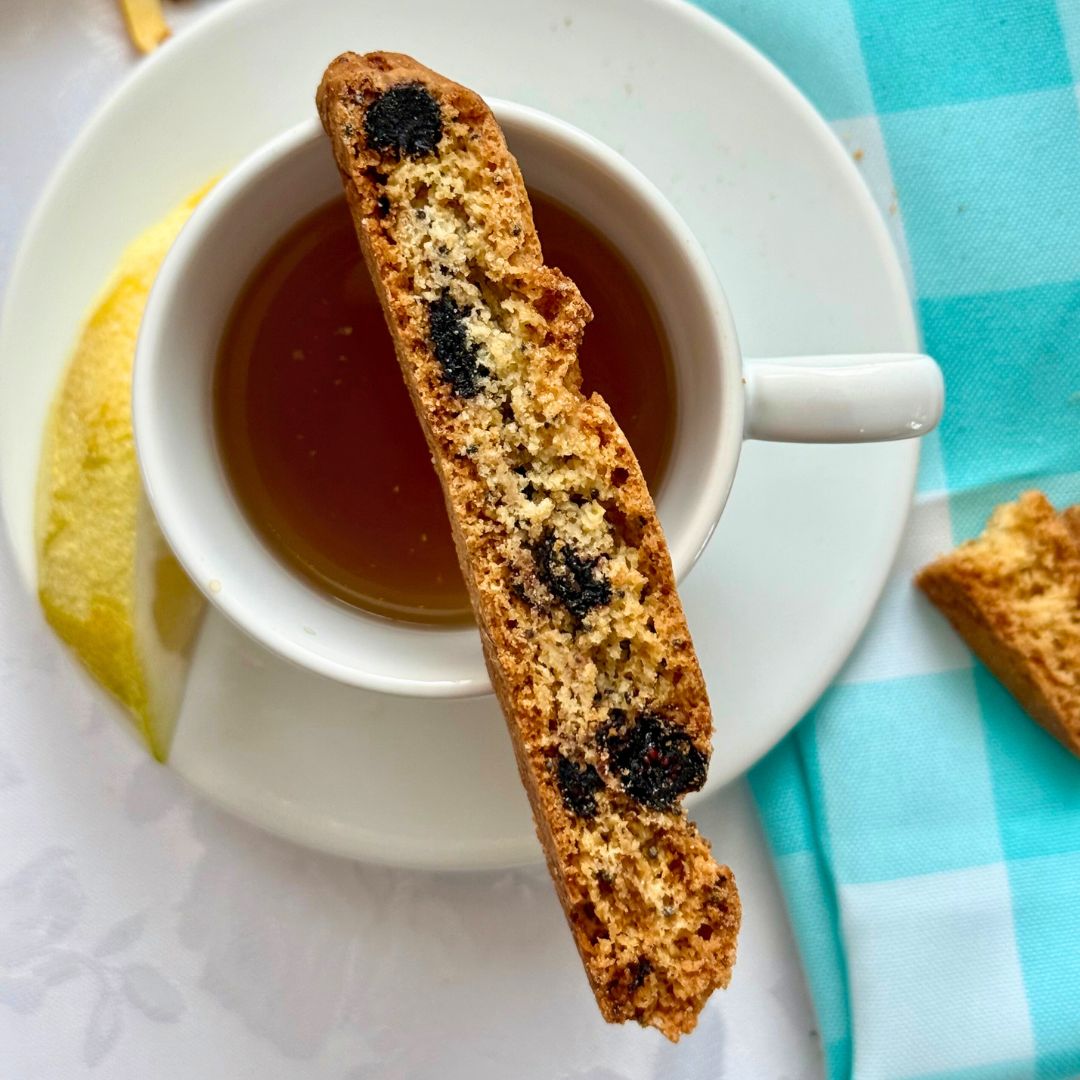
With tea
Cranberry Pistachio and bright fruit flavors work especially well with black tea, green tea, or afternoon tea.
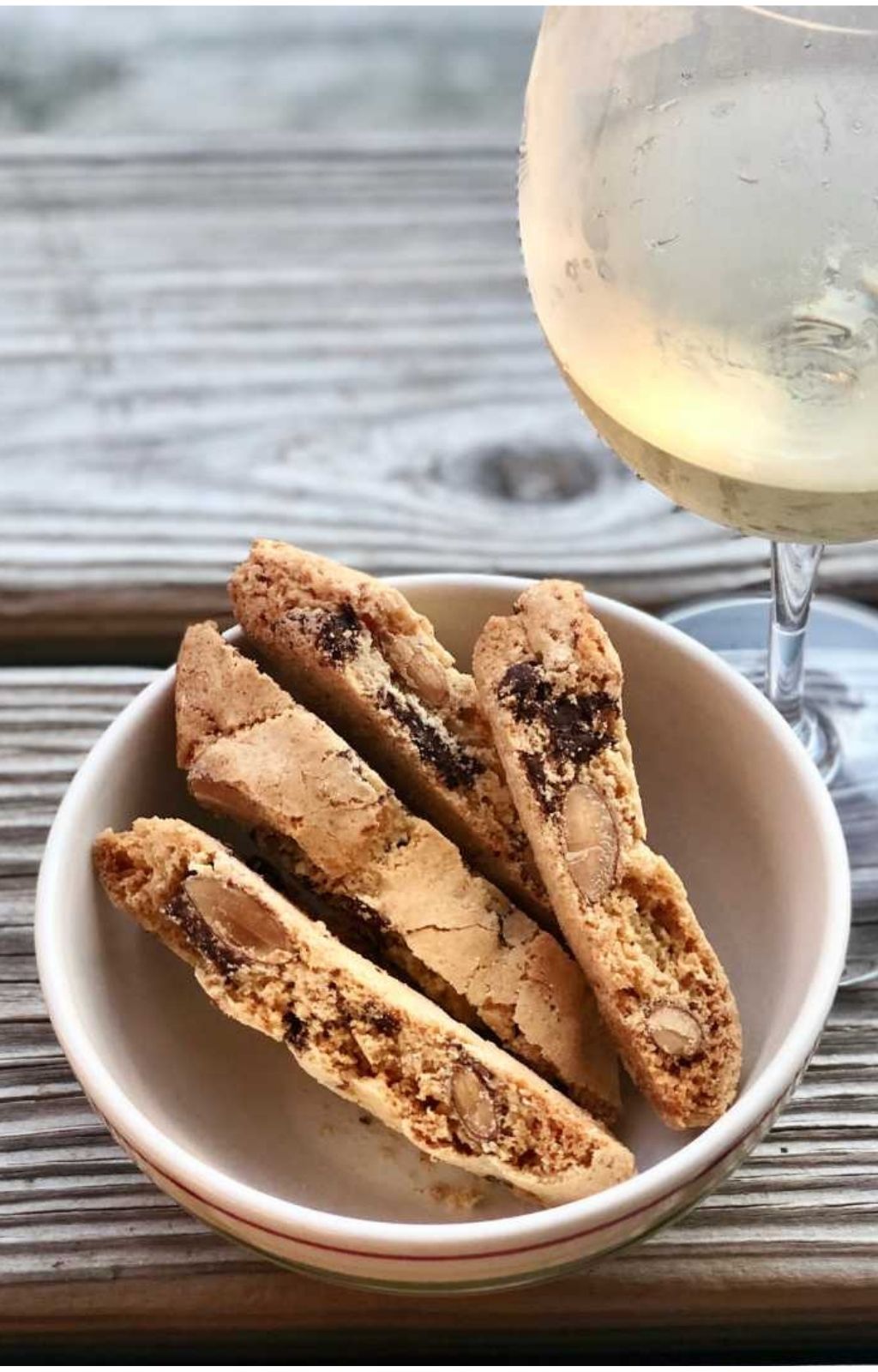
With dessert wine
Almond biscotti with vin santo is the classic Italian pairing.
With dessert
Crumble biscotti over ice cream, yogurt, cheesecake, pudding, or a simple bowl of berries.
For a faster pairing guide, see our coffee and biscotti pairing cheat sheet.
Where to Buy Biscotti
If you want the full flavor selection, the best place to start is online. We ship biscotti nationwide from our Long Island bakery. If you prefer to shop in person, use our store locator to find select retailers near you.
Searching for biscotti near me? Start with our Find Us page for select retail locations, or order online if you want the full flavor selection shipped to your door.
We offer $5 flat-rate nationwide shipping, with free shipping over $50 after coupons. Orders are typically handled within 1 business day.
How to Store Biscotti
Biscotti lasts longer than many cookies because of the second bake, but freshness still matters.
- Unopened bags: Shelf life is six months from the production date printed on the bag.
- After opening: Best within about a week for peak texture and flavor.
- Storage: Place opened biscotti in an airtight container.
- Freezing: Do not freeze biscotti. Freezing can hurt the clean snap.
Frequently Asked Questions
What is biscotti?Biscotti are Italian cookies that are baked twice. The first bake sets the dough, and the second bake gives biscotti their crisp snap and dunk-friendly texture.
What does biscotti mean?Biscotti comes from old Latin roots meaning twice cooked. That meaning refers to the second bake that gives biscotti their classic crisp texture.
Is biscotti one cookie or many?Biscotti is plural. One piece is called a biscotto. In everyday English, many people use biscotti for both one piece and many pieces.
Why is biscotti baked twice?Biscotti is baked twice to remove extra moisture and create a crisp texture that holds up with coffee, tea, espresso, or dessert wine.
Is biscotti supposed to be hard?Biscotti should be crisp and firm, but it should not taste stale or feel impossible to bite. A good biscotto has a clean snap and balanced texture.
How do you eat biscotti?You can eat biscotti plain, dunk it in coffee or espresso, enjoy it with tea, serve it with dessert wine, or crumble it over yogurt, ice cream, or cheesecake.
What are the best biscotti flavors to try first?Almond Biscotti is the classic starting point. Cranberry Pistachio is one of our most-loved flavors for gifting. Chocolate Almond and Double Chocolate are great choices for chocolate lovers.
How long does biscotti last?Unopened biscotti has a six-month shelf life from the production date printed on the bag. Once opened, it is best enjoyed within about a week and stored in an airtight container.
Can biscotti be frozen?We do not recommend freezing biscotti. Freezing can hurt the texture and take away the crisp snap that makes biscotti special.
Where can I buy biscotti near me?You can use our Find Us page to locate select stores that carry The Biscotti Company, or order online for nationwide shipping.
Are your gluten-free biscotti safe for celiac customers?Our gluten-free biscotti are made in a shared facility and are not recommended for customers with celiac disease.