
Blog
5 Biscotti Baking Mistakes That Ruin Texture | The Biscotti Company
Apr
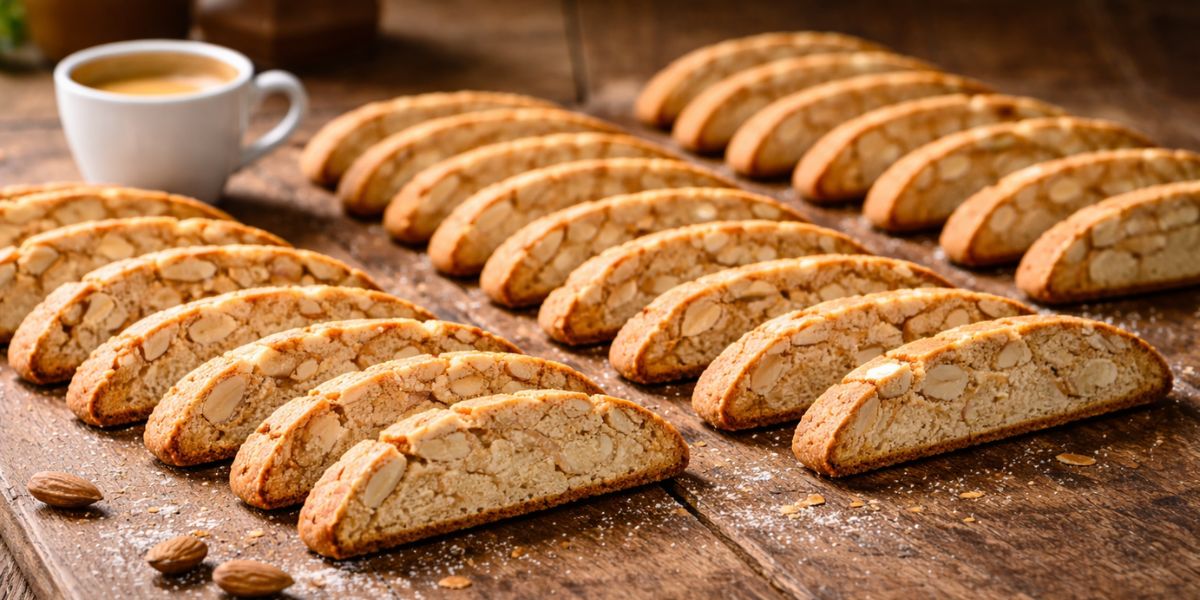
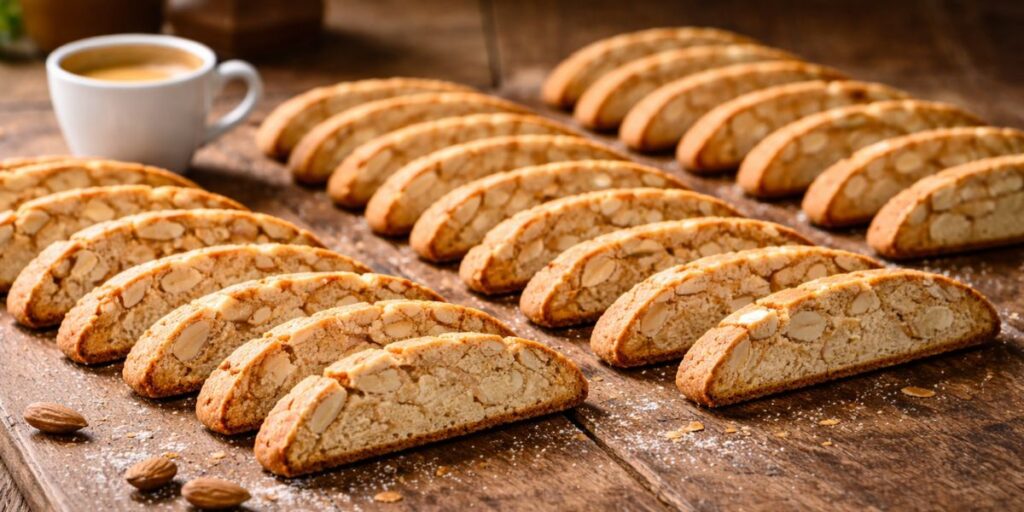
5 Biscotti Baking Mistakes That Ruin Texture and Flavor
Biscotti looks simple until one small choice leaves you with something soft, heavy, bland, or forgettable. These are the five mistakes that matter most, and how to avoid them.
Biscotti looks simple. Bake it once, slice it, bake it again. What could go wrong?
Quite a bit, actually.
Our family has been baking biscotti from the same Sicilian recipe for 200 years. In that time, we have seen firsthand how small choices in the kitchen can change everything. Some mistakes ruin the texture. Some flatten the flavor. Some turn what should be a crisp, satisfying biscotti into something soft, heavy, or forgettable.
Here are five of the biggest mistakes people make when baking biscotti, and why they matter more than most people realize.
1. Using Butter
This is one of the most common mistakes, and it makes sense on the surface. Butter makes so many baked goods taste better. Cookies, cakes, pastries. Why not biscotti?
Because biscotti is not trying to be soft.
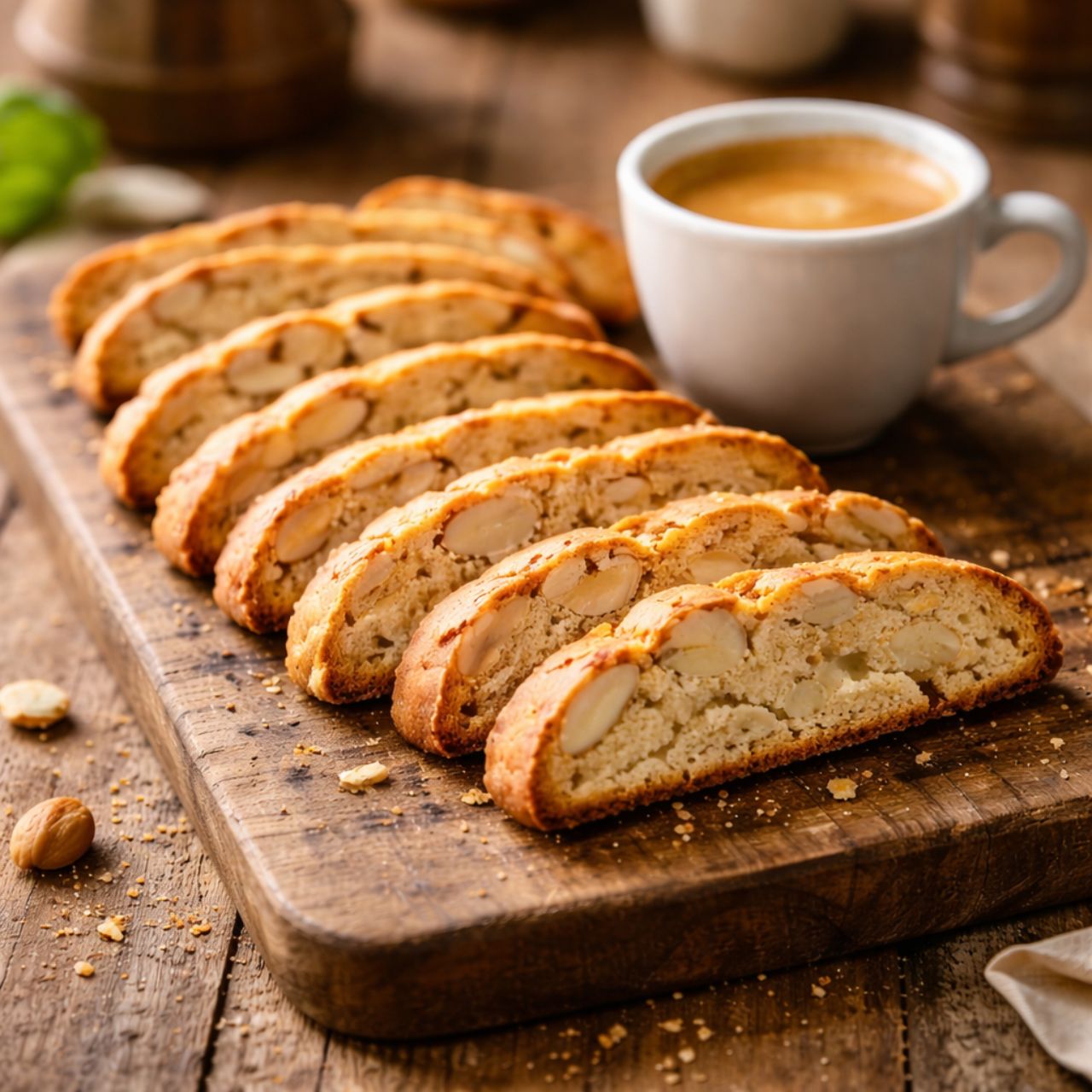
Biscotti is twice-baked, and that second bake is what creates the crisp, crunchy texture people expect. Butter adds extra fat and moisture, which can weigh the dough down and leave you with a biscotti that feels soft, crumbly, or dense instead of light and crisp. It starts moving away from biscotti and closer to shortbread.
Traditional biscotti recipes usually rely more on eggs and flour for structure than on added fat. That is part of what gives biscotti its signature snap and why it holds up so well next to coffee or tea.
If you want a good benchmark for the texture biscotti should have, our Almond Biscotti is a strong place to start. The crunch is not accidental. It comes from respecting what biscotti is supposed to be.
2. Using Only All-Purpose Flour
A lot of home bakers grab all-purpose flour and never think twice about it. Sometimes that works. Often it does not.
All-purpose flour gives biscotti structure, but it can also make the crumb feel heavier and denser than it should. Many traditional recipes cut in a portion of semolina flour, which is coarser, drier, and lower in moisture. The result is a biscotti that bakes up lighter, crisps more cleanly on the second bake, and holds its snap longer without feeling like a rock.
Semolina also adds a subtle nuttiness that all-purpose flour alone does not have. It is a small change with a noticeable payoff.
If your biscotti comes out feeling thick, doughy, or heavier than expected, flour is one of the first things to look at. Good biscotti should feel light and dry, not dense. The structure should practically disappear when you bite into it, leaving only the flavor and the crunch.
Our Cranberry Pistachio Biscotti and Cherry Chocolate Biscotti are good examples of what that lighter texture should feel like.
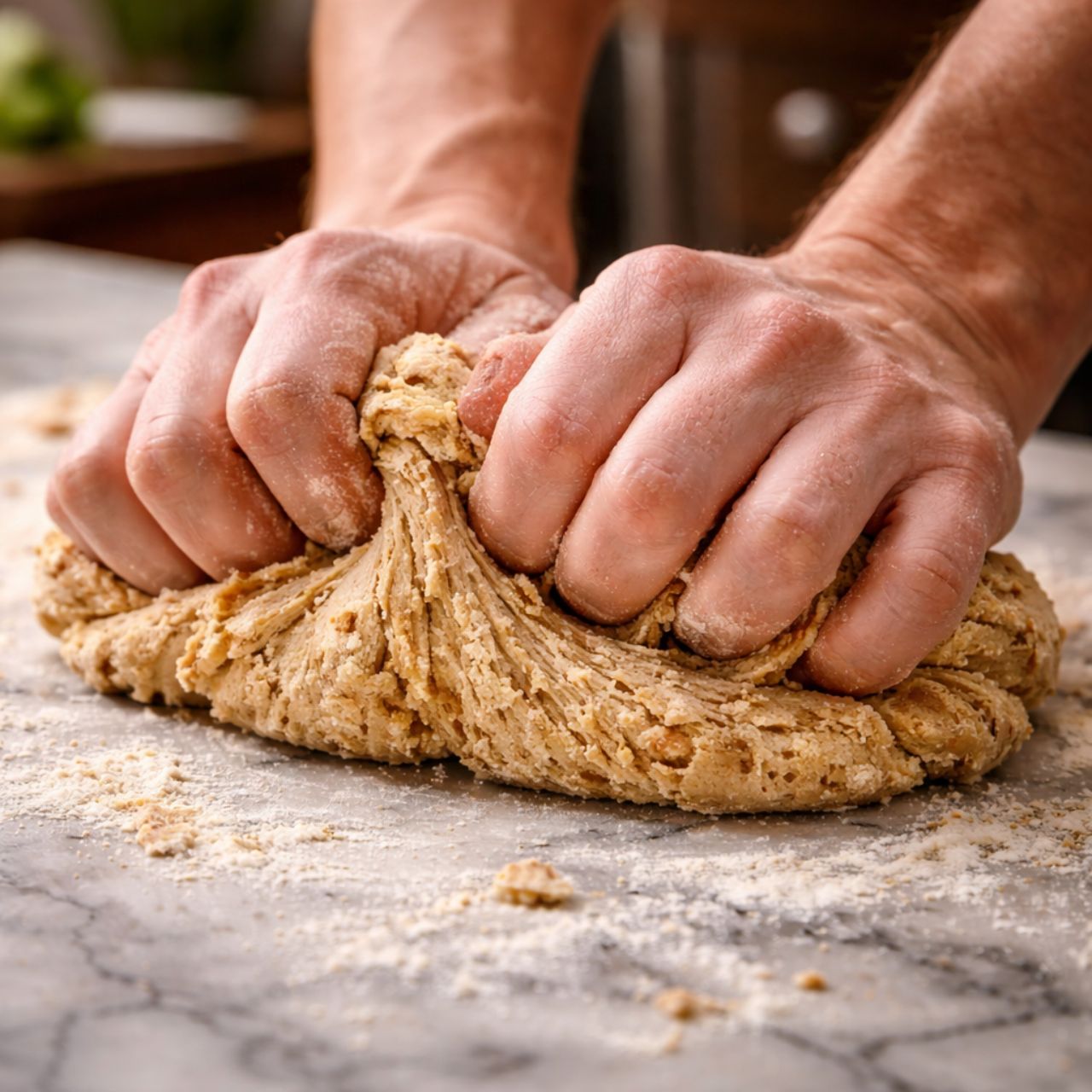
3. Overmixing the Dough
Biscotti dough does not reward overworking.
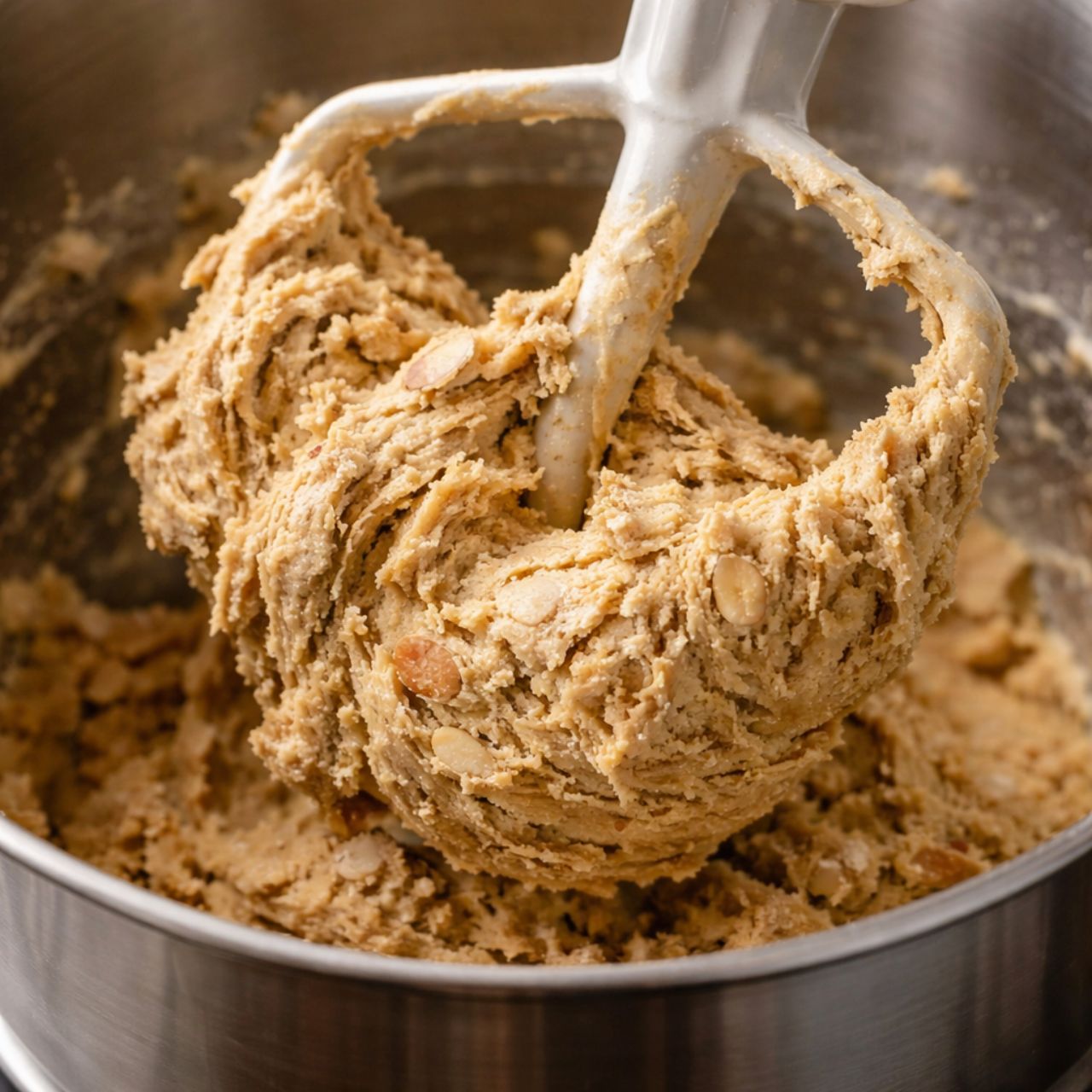
The more you mix, the more gluten develops. Too much gluten can make biscotti tough and chewy when what you really want is a delicate crunch.
A lot of people keep mixing because they want the dough to look smooth and perfect. That instinct causes problems. Biscotti dough only needs to come together. It does not need to be polished. It does not need to be worked like bread.
Rough is fine. Slightly uneven is fine. Overmixed is not.
The same goes for kneading. This is not a dough that wants a lot of handling. Shape your log, get it into the oven, and let the baking do the work.
If the dough felt like it took real effort to pull together, there is a good chance you already went too far.
4. Skipping Real Citrus Zest
When a recipe calls for lemon or orange zest, people often cut corners. They use juice instead. They use dried zest from a jar. Or they skip it completely.
That is a mistake.
Fresh zest is where a lot of the real citrus character lives. The oils in the peel bring brightness, aroma, and depth that juice cannot replace. Juice adds liquid and acidity. Zest adds flavor. They are not the same thing.
Dried zest is also a weak substitute. By the time it gets to the jar, much of what made it vibrant is gone.
If a biscotti recipe calls for lemon or orange zest, use fresh fruit and a microplane. It takes almost no time, and it changes the result more than people expect. That little bit of fresh zest can make the difference between a biscotti that hints at citrus and one that actually tastes alive.
You can taste what fresh zest does for a biscotti in our Blueberry Lemon Biscotti. The citrus is present and clean, not faint or artificial.
5. Using Artificial Extract Instead of the Real Thing
This is the big one.
Artificial vanilla, almond, and anise are everywhere because they are cheap, easy to find, and familiar. But convenience is not the same thing as quality.
Artificial extract can mimic a flavor. It usually cannot match the depth of the real ingredient.
Real extract, real zest, and real whole spices bring layers of flavor that synthetic versions usually flatten out. The result is a baked good that tastes more complete, more memorable, and more honest. That difference matters even more in biscotti, where the flavor has nowhere to hide.
This was something my grandmother understood well. She believed the quality of what goes in shapes the quality of what comes out. She never reached for a shortcut on ingredients, and she was right. We still bake by that same standard today because we have never found a reason to do it differently.
Our Chocolate Almond Biscotti is a good example of what that commitment to real ingredients produces. No artificial anything. Just flavor that holds up on its own.
The Common Thread
All five of these mistakes come from the same misunderstanding: treating biscotti like a generic cookie instead of a baked good with its own rules.
Biscotti rewards restraint. Less fat. Less mixing. Better ingredient choices. More attention to structure. When you understand what biscotti is supposed to be, the results get better fast.
When it is done right, you notice immediately. Customers tell us our biscotti is better than what they have had in Italy. That is not something we take lightly. It comes from 200 years of getting these details right, one batch at a time.
